
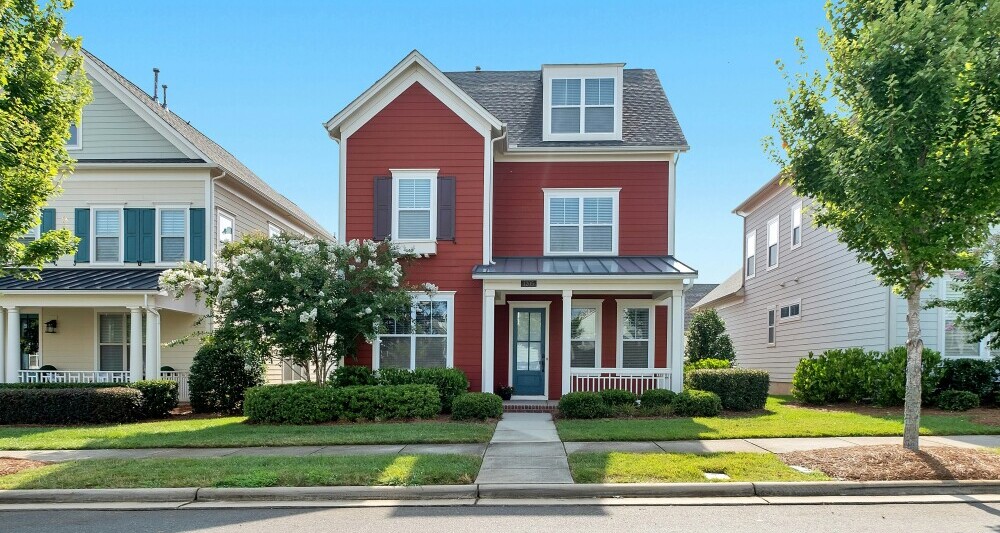
Have you ever wondered why your home insurance costs what it does? It’s not just a matter of throwing darts and putting on a blindfold. The magic comes from the different factors that insurance companies consider. To them, your house isn’t just a bunch of bricks and mortar; it’s a complicated web of risk and safety measures.
Location Matters
Location is really important! The location of your darling home on the map could be raising or lowering your premium. For example, a coastal property in Florida is more likely to be hit by storm damage than a calm lakeside vacation home in Minnesota. The weather, crime rates in the area, and even how close the fire station is all matter.
Structure and Materials
And then there’s the structure itself. The age, building materials, and condition are all very important. That lovely old Victorian house could make you feel like you’re in a time machine, but if it doesn’t have current safety features, your rates will show that. But sometimes, getting a new roof replacement or updating your electrical systems might save you money on your homeowners insurance policy.
Your Insurance History
Don’t forget your old insurance! Your claims history and even your credit score are part of the pricing magic, like a shadow that won’t go away. Had a few bad things happen that made you file an insurance claim? Insurance companies may believe you’re not very lucky and charge you more for it. And certainly, having a good credit score might help you receive better rates.
So the next time you get your home insurance bill and see a lot of numbers that look like hieroglyphics, remember that they are a carefully chosen mix of your location, the details of your house, your claims history, and yes, even your credit score.
The Golden “Rule of Thumb” for Calculating Home Insurance
The “rule of thumb” for home insurance is that your coverage should be equal to the full home replacement cost. This isn’t just being safe; it makes sure you’re covered no matter what happens. The point is to get insurance that will pay for reconstructing your home from the ground up if something bad happens.

Let me explain it with some numbers. A common rule of thumb is to set aside $1,000 a year for every $100,000 of your home value. If your home is worth $200,000, you should expect to pay roughly $2,000 a year for insurance.
But here’s the twist: home improvements or renovations are really important. Just put in a fancy kitchen or a bold bathroom? Great update, but be ready for your insurance estimates to go up. After all, it costs more to replace those expensive finishes than to get new fundamental parts.
The goal is clear: don’t underinsure. Nobody wants to be in a situation where their insurance only pays for some of the bills after a disaster costs them a lot of money. Think about how much money you’ll have to pay if your new trendy upgrade or addition gets damaged and your insurance doesn’t cover it. I know this isn’t a happy thought. When you figure out how much coverage you need, be honest with yourself about what your home needs.
Breaking the Code: The 80% Rule for Homeowners Insurance
The 80% rule, also known as 80/20 coinsurance, is one of the lesser-known but important parts of home insurance. In short, it advises that you should insure your home for at least 80% of what it would cost to replace it. Why? Insurance isn’t only about paying for things that are lost; it’s also about making sure you’re not left in the lurch if anything unexpected happens.
Think of it as a safety net. If you don’t insure for at least 80% of the value of your home, you may have to pay for repairs yourself. If your insurance only covers 70% of the value of your property and something bad happens, you might have to dig deep into your funds.
Here’s a scenario: imagine your $250,000 house not being insured enough. Then a storm with strong winds does $50,000 worth of storm damage. Insurance only pays for a portion of this cost if you have less than 80% coverage; therefore, you have to pay the rest. Not the best-case situation.
The coinsurance formula makes sure you’re above the minimal minimum, so you won’t have to rush about when unexpected costs come up. It’s like checking that you have enough gas in your car before a journey. It’s better to be safe than sorry. In short, this 80% rule tells you to make sure your coverage really matches the total replacement cost of your house.
Stay smart: every now and then, look over your policy, especially after big changes in your life or home renovations. More coverage means less stress.
Figuring Out the Numbers: Home Insurance on a $300,000 House
Not all $300,000 homes are created equal when it comes to insurance premiums. The cost to insure a house at this price can vary widely based on a bunch of factors. Just like the uniqueness of each home, the calculation for its insurance is pretty personalized too.
Think about a $300,000 house in bustling New York City versus a similar one in the calm of Kansas. While both might have the same property value, the New Yorker might cough up a bit more in premiums. Location plays the main role here, affecting factors like risk and repair costs, which directly tick those insurance numbers up or down.
When you add local rules to the mix, things might get confusing! Because of the weather or building codes, some places need more coverage than others. For example, if you live in an area prone to hurricanes, your insurance may take that into account, even if your house is brand new and structurally sound.

When breaking down the numbers, you’d generally look at premiums starting somewhere around $3,000 a year for good coverage on a $300,000 home. But again, that’s if the moon and stars align perfectly in your area. Always double-check specific requirements or factors unique to your locale.
Remember, while it’s cool to bubble-wrap your new digs with great insurance, it’s wise to weigh what you really need. Tailor your policy to your property’s specific location and features to avoid overpaying or under-protecting. It’s not just about the cost but also about the peace of mind that you’re covered for what really matters.
Tips and Tricks: Making Home Insurance Fun and Less Like a Chore
Let’s talk about making home insurance less of a snooze fest. Sure, it might not be as exciting as binge-watching your favorite series, but it doesn’t have to feel like hitting rock bottom on laundry day either.
First trick: break it down. When diving into the policy mumbo jumbo, focus on one section at a time. It makes everything a lot more digestible, like turning a whole pizza into bite-sized slices. Look into key parts like dwelling coverage, personal property, and liability; each part has a role in protecting what you love.
Don’t underestimate the power of bundling. It’s like a twofer deal; combine your home and auto insurance for discounts. Insurance companies love loyalty, and you love saving bucks, so it’s a win-win.
Keep an eye out for common traps. Many folks fall for the misconception that the market value of their home equals its replacement cost value. Wrong-o! Your home’s land doesn’t need covering, just the bits and pieces you actually built.
Engage in a little audience research; talk with your neighbors or local friends about their insurance experiences. They might share insights or even recommend local insurance agents who really know the ropes. It’s amazing how a little shared wisdom can demystify things.
Finally, make it a habit to revisit your policy at least once a year. Things change, including new belongings, home improvements, and even neighborhood dynamics. Keeping your policy up-to-date ensures you’re spot on with coverage and not paying for stuff you don’t need.
Remember, knowledge is power. Getting to grips with your home insurance not only saves money but also keeps your peace of mind in checkout mode, so you’re set for whatever life throws your way. Whether it’s understanding your policy limits, knowing the difference between actual cash value and replacement cost coverage, or simply making sure you have adequate coverage for your home and other structures like a detached garage, taking the time to understand your homeowners insurance policy is always worth it.