
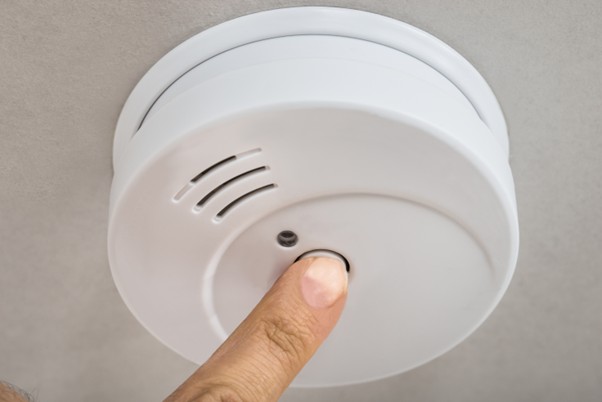
Smoke alarms can be the unsung heroes of home safety, keeping you and your family safe from fires that could happen at any time. It’s not simply a good idea to have them installed; it’s a must. Put smoke alarms on every floor, in sleeping areas, and in bedrooms as well. You never know when problems will start. It’s not enough to just set those alerts and forget about them. Testing every month is very important. Just hit that test button and make sure they shout at you. If they don’t, something is wrong, and you’ll need to fix it right away before you’re left open to attack.
When it comes to maintenance, batteries don’t last forever. Plan to replace them annually, even if they appear to be in good condition. And what about that obnoxious chirp? Don’t disregard that; it means your alarm has to be looked at immediately. Another thing to think about is how long your alarms will last. They aren’t supposed to live forever. Make sure to acquire new alarms every ten years or according to the manufacturer’s recommendations. It’s better to be ready than to be caught off guard.
Strategic Placement and Care of Fire Extinguishers
Fire extinguishers are like the friend you can always count on. You should have at least one of these red canisters in the kitchen, garage, and near any exits. These are the places where fires are most likely to catch you off guard.
If you have a little fire, knowing how to use an extinguisher could make all the difference. Learn more about the PASS method. Take out the pin, point the nozzle, squeeze the handle, and move it back and forth. It’s an easy process, but understanding it could make a big difference when time is short.
You can’t just leave these things lying around and hope they’ll work. Check the pressure gauge once a month to make sure it’s pointing to the green. If not, you might have to get it fixed or replace it. It’s better to do some maintenance now than to have something go down in an emergency. There is a time limit for how long fire extinguishers last: 10-12 years. It’s time to get new ones if they look broken, leak, or just feel light. When you need them, they’ll be ready to help you if you keep them in good repair.
Making and practicing a good plan for getting out of a fire
A fire escape plan is like a blueprint to safety, and it’s one plan you hope you never have to use. You will be glad it’s there if there is a fire, though. To start, draw a rough map of your house and note at least two ways out of each room. When fire blocks your usual way out, knowing more than one way out is the fastest way out.
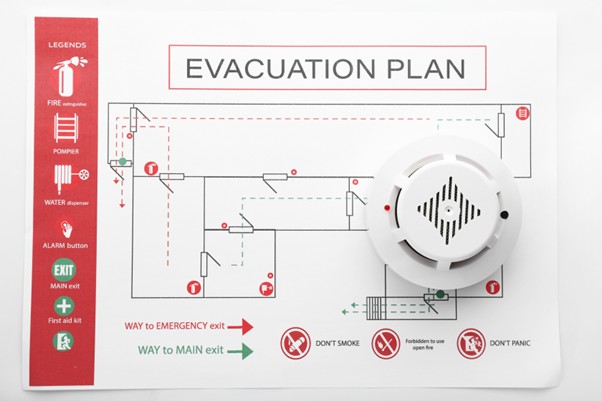
If you practice this plan enough, it will become a well-worn path that you can walk without seeing it. Get everyone involved and undertake a walkthrough at least twice a year. It’s like a family fire drill, but you don’t have to worry as much, and you know you can do it.
You need a spot to bring everyone together once you’re out. Choose a place, like a tree across the street or a neighbor’s porch, where everyone can meet when they get out. This meeting spot is important to make sure everyone is there; there’s no guesswork. It’s important to have easy access. Check to see if anything is in the way of your doors and windows. If there’s a couch in the way or a window that won’t open, that escape strategy won’t help much. A clean path is a fast way to get to safety.
How to Keep Your Kitchen Safe from Fires
Cooking up a storm might be a lot of fun, but if you don’t follow fire safety rules, it could turn into a disaster. Here’s the deal: you should never leave cooked food alone, especially when the stove is on. Those few minutes in another room could turn your kitchen into a nightmare you weren’t ready for. And don’t forget those lovely little paper goods or kitchen towels. Don’t let them get near anything hot. A good rule of thumb is to keep flammable things three feet away from cooking appliances.
Do you have some grease on you? Cleaning your home regularly is the greatest way to keep this stealthy fire starter at bay. Keep your stovetops and ovens clean. The less stuff there is to burn, the safer you are.
When you chop, stir, or sauté, you also need to be careful of safety. Keeping an eye out not only keeps your food safe, but it also keeps fiery surprises off the table.
Complete Safety Rules for Electrical and Heating Work
If you’re not careful, electrical problems and heating mistakes might creep up on you. Look for evidence of wear or damage on the cords and plugs in your home. Old cords don’t simply look bad; they can also cause accidents.
It could be tempting to use extension cables or overload outlets all the time, but that’s a sure way to get into trouble. Don’t give in to the impulse; instead, spread your gadgets out over several circuits.
Do your lights flicker or your breakers trip all the time? That’s when you should call a certified electrician. They are the experts in checking wiring and finding problems before they get worse.
Space heaters can make a room feel warm and inviting, but you should keep them at least three feet away from anything that can catch fire. And remember to turn them off while you’re not around. This is a simple step that can save you a lot of trouble later.
If you have a chimney and fireplace in your home, you should have a professional check them and clean them every year. Even if they don’t look dirty or blocked, having a professional check them out makes sure everything is safe and smoke-free.