
How do you make a budget? A budget is like a roadmap for your money! Imagine having a plan that lays out exactly how your income will be spent or saved every month. That’s the essence of budgeting. It’s putting your money to work based on your goals and priorities.

Creating a budget isn’t about fancy spreadsheets or financial jargon. It’s about keeping things realistic and straightforward. The easier it is to manage, the more likely you are to stick with it. It’s similar to creating a playlist that you truly enjoy listening to.
Reviewing your budget regularly can keep you aligned with your financial goals, whether that’s saving for a wonderful vacation or finally tackling that pesky credit card debt. It’s like checking your GPS to make sure you’re still on course to reach your destination.
Want to know what a simple budget looks like? Picture this: your income at the top, followed by a list of expenses categorized by priority. It’s a snapshot of where your money should go, with categories like savings, rent, groceries, and entertainment.
Having this visual breakdown allows you to easily identify areas for adjustment if something is out of balance. The goal? The aim is to optimize every dollar while avoiding unnecessary complications. And remember, it’s not just about the numbers; it’s about making choices that get you closer to your dreams.
Setting Financial Goals and Gathering Data
Getting serious about your money means starting with clear goals. We’re not merely envisioning extravagant lifestyles in the future; we’re focusing on establishing precise financial priorities. Maybe it’s wiping out your student loans, saving for a dreamy vacation spot, or just having peace of mind with an emergency stash.
Deciding what matters most sets the tone for your entire budget journey. Each choice should steer you closer to your larger financial canvas. It’s like plotting each brushstroke carefully to complete a stunning masterpiece.
Now, before diving into numbers, gather up those financial records. Pay stubs, bank statements, and those cheeky credit card bills are your go-to. Getting a clear understanding of your cash flow is not a detective task. Understanding your income and expenses allows you to gain a comprehensive understanding of your financial situation.
Taking these steps can guide you in drawing up a plan to lead a more financially satisfying life. You’re crafting the foundation here, building a launchpad for all those goals you’ve set.
Income and Expense Analysis
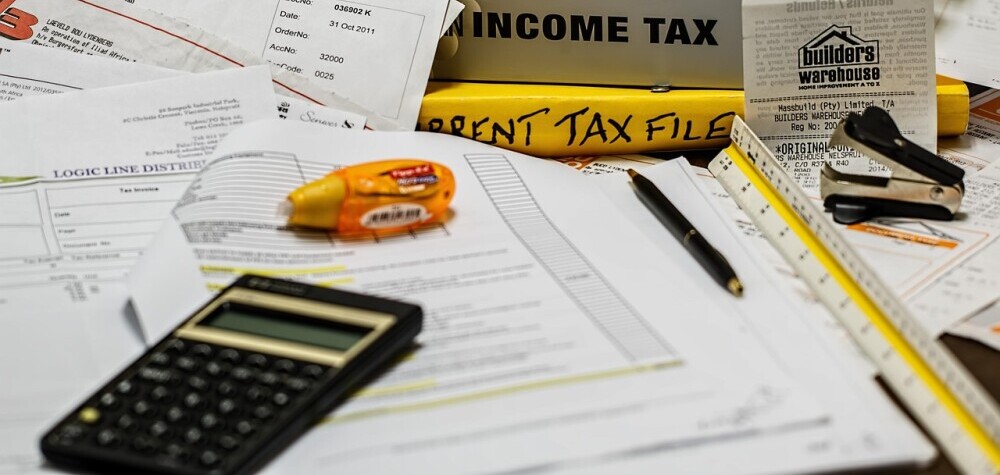
Knowing where your money’s coming from and where it’s headed is key to building a budget that works. Start with your monthly net income, which means everything you bring in after taxes. Whether your income comes from a full-time job, side gigs, or even unexpected birthday cash, it all matters.
Tracking every bit of spending may sound intense, but it’s the clearest way to see patterns in your financial life. Track every dollar you spend over a month using apps, spreadsheets, or even a simple pen and paper. This is like your financial diary, telling tales of coffees, rent, and everything in between.
After gathering the data, please categorize your expenses. Fixed expenses are like monthly rituals: predictable and consistent, they cover necessities such as rent or car payments. Then there are variable expenses, or wildcards, which change from month to month and include things like groceries or nights out.
Don’t forget about periodic expenses. These occur less frequently, but they do require a budget allocation. Annual subscriptions and sneaky car registrations should not catch you off guard. Make it a habit to set aside some money each month for these so that they do not disrupt your plans.
Piecing this information together lays the groundwork for all of your financial decisions. Knowing exactly where your money flows helps in deciding where to dial back or when you can splash out.
Exploring Budgeting Methods
Choosing the right budgeting method can turn the concept from a chore into a clever hack for managing your finances. Let’s look at some popular approaches to see what suits your style. Everyone’s different, so find a fit that feels natural and stick with it!
The 50/30/20 rule offers a pretty balanced structure. Allocate half your income to needs like housing and utilities, 30% to wants like dining out or streaming services, and the remaining 20% to savings or debt payments. This method keeps things flexible and straightforward, offering a bit of indulgence while securing financial goals.
If you prefer a hands-on approach, you might find a zero-based budget appealing. Here, every dollar gets a job, meaning your income minus expenses equals zero by the month’s end. Every cent has a purpose, whether it’s covering bills, hitting the savings account, or grabbing that concert ticket.
The Envelope System goes old-school by assigning cash to specific categories. Pop your grocery money in one, entertainment cash in another, and stick to spending what’s in the envelope. Once it’s empty, that’s it for the month. It’s a powerful way to curb overspending and stay true to your budget.
Looking for a twist? Pay-Yourself First, your savings account can offer automatic transfers the moment your paycheck hits. Before anything else—it’s savings at the top. This system makes saving just as automatic as breathing, taking a major ‘set-it-and-forget-it’ approach.
Testing out these different methods can show you exactly how you prefer to manage your money while keeping you on track to achieve your dreams. Try experimenting with different elements or combining them to create a unique approach that suits your needs.
Budget Building and Continuous Improvement
Once you’ve selected a budgeting method, it’s crucial to construct a budget that aligns with your lifestyle. Start by subtracting total expenses from total income. Any surplus could go towards boosting savings or paying down debt. Are you experiencing a deficit? It’s time to reduce your variable expenses until you achieve balance.
Little savings tips can make a big difference. For example, while cutting back may seem tough, replacing a few nights out with Netflix nights can be helpful in a pinch. Maybe skip those fancy coffees every morning. It’s all about those small switches adding up to real cash saved.
Automating savings can keep things on track without the hassle. Set up automatic transfers to savings accounts when payday hits, so you never even miss that money. It’s like thinking of your future self and making sure they’re living it up someday.
While your budget should establish a strong foundation, it should also evolve over time. It’s more like a living document that grows with you, adapting as life throws changes your way. Whether you embark on a new job or commit to a new financial goal, keeping your budget updated ensures it consistently supports you.
Consider regular check-ins—maybe monthly, like a money health check. Adjust as necessary so you stay aligned with those big-picture priorities. Ultimately, a budget that fails to adapt to the fluctuations of life is not beneficial.